Article Introduction
Cutting pvc pipe is a relatively easy task, but you’ll need the right tools to make a clean cut, CPVC and PVC are common types of rigid plastic pipe commonly used in home plumbing systems. The tools and techniques used to cut and prepare these pipes are similar.
This guide outlines how to cut PVC pipe by choosing the best and safest methods based on the different PVC pipe sizes !
Choose Your Pipe
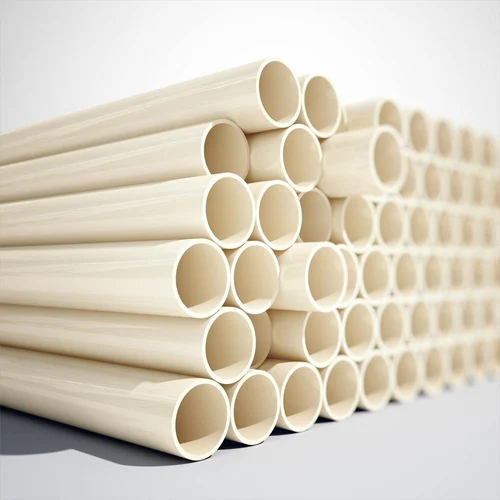
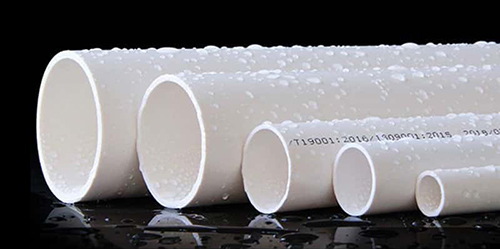
1. PVC pipe:Use PVC pipe for cold water, irrigation, main gas lines and drain-waste vents. PVC can become brittle with sun exposure. It’s available in 10-foot and 20-foot lengths that range from 1/2- to 6-inch diameters. Connect lengths for longer stretches with primer and solvent cement or push-to-connect PVC fittings .
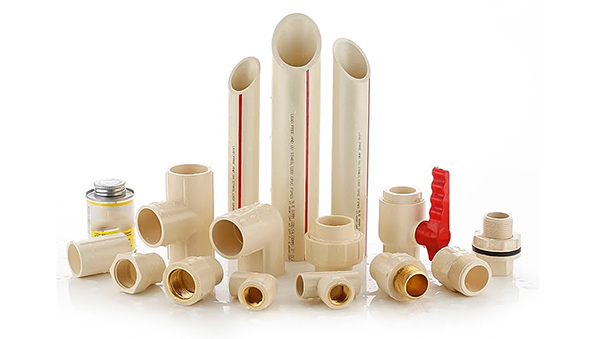
2. CPVC pipe:It’s suitable for hot and cold water, making it a good choice for residential plumbing. CPVC pipe is available in 2- and 10-foot lengths with a diameter range of 1/2 to 1 inch. Join primer and solvent cement or push-to-connect fittings to connect lengths of pipe.
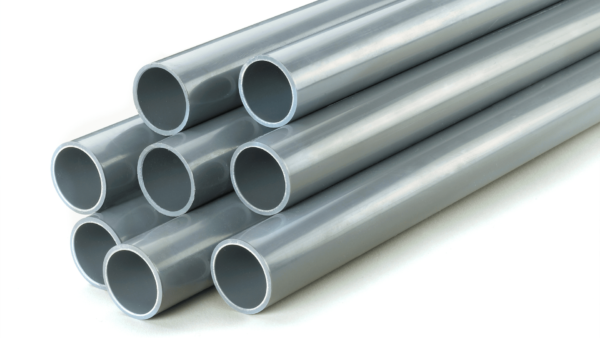
3. ABS pipe:Use it for drain-waste-vent applications. ABS withstands higher-temperature drain water. Pipe and fittings join with primer and solvent cement.
Tip: This guide is specific to PVC, but the steps will work for the other rigid plastic pipes discussed here. Check the local plumbing codes to find the required pipe type and size in your area !
Choose your cutting tool and method
Different cutting tools
Before cutting, you need to choose the best cutting tool according to the different diameters of the PVC pipe and the number of cuts required. This can ensure that the cutting is smooth and the PVC pipe can be used normally after cutting. Here are the options for cutting tools in different situations:
- If you only have a small amount of cutting to do and the PVC pipe has a large diameter, a hacksaw is a good choice as it is more flexible and provides a smoother cut surface.

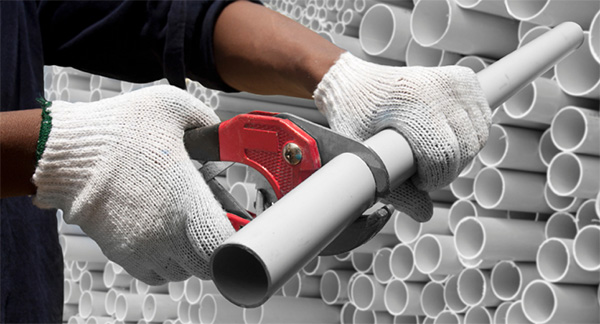
- Scissor-style plastic cutters are suitable for small PVC pipes with smaller diameters and more flexible materials, but they require more manual effort.

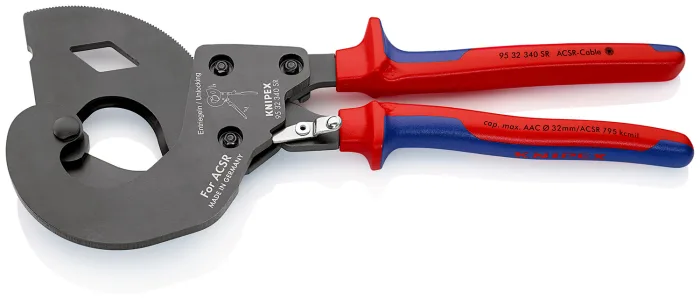
- Ratchet cutters are more precise than scissor cutters, and they can cut larger diameter PVC pipes. They are a good choice when you need to cut with high precision, quickly, and with less hand fatigue.


- Electric miter saws are available in a variety of sizes and are the best choice for cutting large quantities of PVC pipe, completing the job quickly and efficiently.


Cutting methods with different tools
Using a Hacksaw:
Make the cuts as straight as possible to ensure the best possible fit. Here’s how:
1.Using a tape measure and a pencil or other writing instrument, mark on the PVC pipe surface where you want to cut.
2.Secure the PVC pipe with a vise , clamp,miter box or even duct tape to keep it from shifting out of place while cutting.
3.With the PVC pipe secure, slowly draw the hacksaw blade back and forth, making sure that the cut is straight. Reduce speed near completion to provide a clean cut at the end.
Safety Tip: It is unsafe to secure the PVC pipe with just your hand while cutting

Scissor-style plastic cutters:
1. Measure and mark the cutting position
- Use a tape measure to measure the length of the pipe that needs to be cut.
- Mark the cutting position on the pipe with a marker pen to ensure the cutting position is accurate.
2. Position the pipe:
- Place the PVC pipe on a stable surface, such as a workbench or the ground.
- Make sure the pipe is aligned with the cutting area of the scissor cutter, and the marked position is directly opposite the blade of the cutter.
3. Cut with the scissor cutter:
- Align the blade of the scissor cutter with the marked position on the pipe and hold the handle of the cutter.
- Steady the pipe and press down the handle slowly and evenly. The blade of the cutter will gradually cut the PVC pipe like scissors.
- Depending on the hardness and thickness of the pipe, you may need to press harder several times, but keep the action steady to avoid deforming the pipe.
Note: Scissor cutters are ideal for smaller diameter PVC pipes (usually no more than 2-3 inches). When cutting larger diameter pipes, avoid using excessive force to avoid deforming the pipe !
Using a ratchet tool:
1. Measure and mark the cutting position:
- Use a tape measure to accurately measure the length of pipe that needs to be cut.
- Mark the cutting position on the pipe with a marker pen, making sure the marked position is straight and accurate.
2. Place the pipe in the cutter:
- Place the marked pipe into the cutting area of the ratchet cutter.
- Make sure the pipe is centered in the blade, the cutting position is aligned with the blade, and the pipe is not tilted or offset.
3. Operate the ratchet cutter:
- Hold the handle of the ratchet cutter and gently align the blade with the cutting position marked on the pipe.
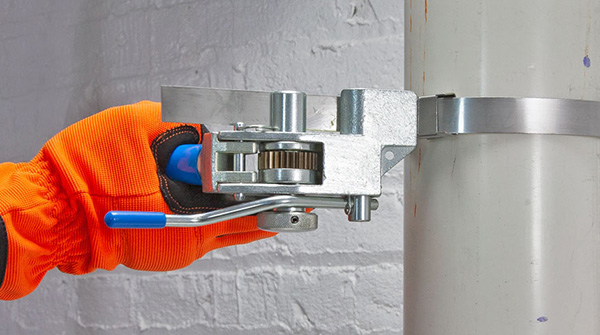
- Start to pull the handle slowly, and the ratchet mechanism of the cutter will gradually compress the pipe and cut it.
- Each time the handle is pulled, the ratchet mechanism pushes the blade to gradually cut the PVC pipe. Because the ratchet cutter has a smaller cutting action, it can gradually cut the pipe, reducing the force and cutting more smoothly.
Note: Do not use excessive force during operation. The ratchet knife itself is designed to cut gradually. Violent operation may cause irregular rupture of the pipe !
Using a Miter Saw:
1. Preparation:
- Wear safety gear, including safety glasses, earmuffs, and protective gloves.
- Make sure the miter saw has a blade suitable for cutting PVC (usually a carbide blade).
- Check the working condition of the miter saw to ensure that the cutting blade is sharp and the equipment is working properly.
2. Measure and mark the cutting position:
- Use a tape measure to accurately measure the required length of the pipe.
- Mark the cutting position on the pipe with a marker pen, making sure the marking is clear.
3. Secure the pipe:
- Use a clamp or pipe support to secure the pipe to a stable workbench to ensure that the pipe does not move during the cutting process.
- If there is no clamp, ensure that both ends of the pipe are stably supported to avoid tilting or shifting during cutting.
4. Set the miter saw:
- Adjust the miter saw blade to the appropriate cutting depth, ensuring that the blade depth is slightly greater than the diameter of the pipe.
- Set the angle of the miter saw. If a miter cut is required (for example, 45 degrees), the miter angle can be adjusted according to the cutting requirements.
5. Cutting operation:
- Start the electric miter saw and keep the saw blade rotating steadily.
- Lightly touch the saw blade of the electric miter saw to the marked position of the pipe and slowly push it along the surface of the pipe. Make sure to hold the saw steadily during cutting to avoid deviation.
- Maintain a steady speed when cutting and do not force the saw.
Note: Choose a carbide saw blade specifically for PVC pipes to ensure smooth cutting without damaging the pipe. Avoid cutting too quickly, especially when cutting large diameter pipes, and maintain uniform force and speed during the cutting process.

Summary
In the process of PVC pipe cutting, it is very important to choose the right cutting tools and methods, which can not only improve work efficiency, but also ensure the cutting accuracy and integrity of the pipe. Common PVC pipe cutting tools include: pipe saws, scissor cutters, ratchet cutters, electric miter saws, etc.
No matter which tool is used, it is necessary to ensure that the pipe is stable during cutting to avoid tilting or shaking. After cutting, the pipe must be trimmed as necessary, such as removing burrs, to ensure the tightness and safety of the pipe connection. By choosing the right tools and methods, the cutting of PVC pipes can be completed efficiently and safely.
If you want to purchase or learn more about PVC pipes, our team of piping system consultants are ready to answer your questions !

About SAM-UK
SAM-UK are a professional 18+ years manufacturer in producing vinyl building profile products and PVC , CPVC , PPH , PPR , PP pipes and pipe fittings, valves, taps and so on. See our certification records and product-specific scope. We support color /size customization. Welcome to consult for Catalog and Product. you can contact us at email [email protected]