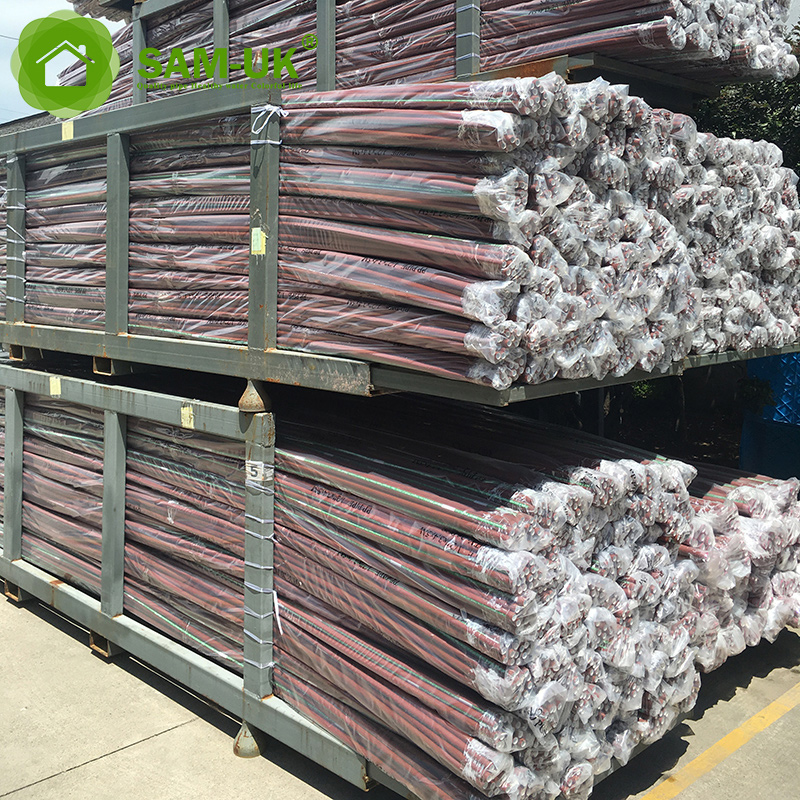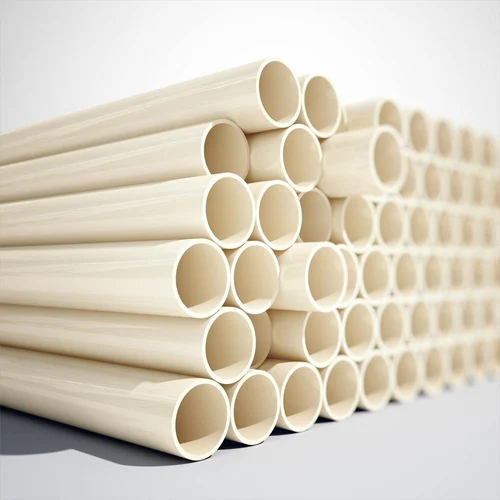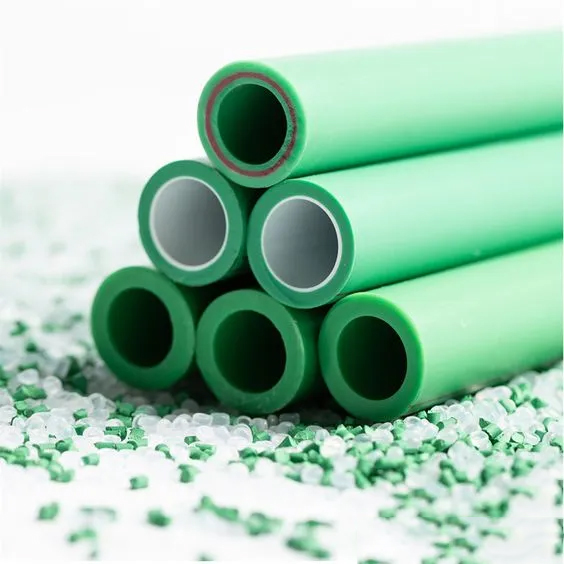
Article Introduction
When it comes to pvc pipes and fittings, a tight connection between pvc pipes is crucial. Without the right bonding, your home could suffer from leaks, flooding, and water damage. Thankfully, joining PVC plastic pipes is easy and quick as long as you’re accurate and use the right glue, tools, and techniques.
In the following article, we’ll teach you how to bond PVC pipes and help you avoid common mistakes!

What is PVC pipe
PVC stands for polyvinyl chloride. Like PEX pipe, PVC is a type of plastic. However, PVC has many specific benefits that set it apart and make it ideal for home plumbing, including:
- High chemical inertness, or resistance to chemical reactions, making it ideal to carry household drinking water.
- A smooth surface that reduces friction with liquids and prevents clogs.
- Heat and corrosion resistance.
- Ease of installation and maintenance.
- Enough strength and durability to last 100 years installed underground.
- Freedom from contamination that breeds bacteria.
- An affordable cost to manufacture and transport long distances.
- Versatility that comes from being easy to mold into different shapes.
- Recyclability and reusability.
- Better resistance to freezing to help avoid burst pipe repair costs.
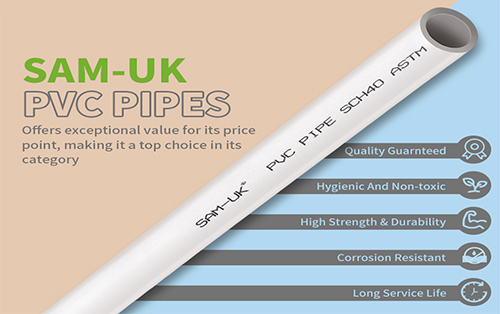
Because of these, PVC pipe is used for water mains, drinking water supply networks, sewage systems, rainwater drainage, sprinkler systems for landscaping and fire prevention, and cold water lines in HVAC systems, among other applications.
What tools we needed
In addition to the solvent cement and purple primer, You will also need the following tools to connect the PVC pipes:
- Hand saw or saw blade,For cutting PVC pipe to the appropriate length.
- A sheet of 80-grit sandpaper to remove burrs from each PVC pipe cut.
- A marker pen, for marking cuts and connections.

Notice:Solvent cements are dangerous, so avoid eye or skin contact. Wear safety goggles with side shields and protective gloves as you work. An organic vapor respirator can protect you from breathing in harmful solvent vapors. You can also lay a tarp or towel to protect your workspace and use rags to wipe up accidental drips.

How to connect pvc pipe
Follow these simple steps to glue a PVC pipe to a compatible fitting.
1. Measure and Cut the Pipe(s)
- Gluing PVC pipe together starts with knowing how to cut PVC pipe. You’ll want to ensure that each length of pipe sits fully in its fittings. For accurate sizing, measure the distance between shoulders on the fittings at each end of your pipe. Transfer that measurement to the pipe with a felt-tip marker.

- With your pipe on a level surface, use your hacksaw to make a straight, square cut. Square pipe ends fit snugly into fittings with plenty of contact area for solvent cement to work properly. They also make for an even interior surface that water can flow through smoothly.

- Once your pipes are cut, use 80-grit sandpaper to scrape the inside and outside of each cut smooth. This removes burrs that would otherwise snag debris such as hair and cause clogs.


2. Test How the Pipe(s) Fit Together (Without Glue)
- Plumbing needs to fit together perfectly to ensure a leak-free seal, so take time to dry-fit all connections before gluing anything together. Lay out all pieces to make sure that they fit together nicely and are cut to the correct length.

- PVC glue dries fast, and you’ll only have a few seconds to put the pipes together when it’s applied. Before you take apart your dry-fit assembly, make reference marks and number each connection so you can quickly put everything back in place when it’s time.


3. Prime the Ends of the Pipes
- Primer softens and cleans the plastic so that the glue can work properly. You’ll need to use purple primer so that it’s visible for inspectors. Shake the can of primer for about 30 seconds to mix the solution. Open it and wipe any excess primer on the lid so it doesn’t drip.

- Take your first fitting and spread primer over the outside of the pipe’s end. Spread enough so the primer will overlap the fitting collar the pipe is going into. Spread the same amount of primer on the inside of the pipe fitting collar. Give the pipe and fitting about 10 seconds to cure before applying any glue.


4. Apply Glue Over the Primer
- Next, you’ll apply glue in the same way you applied the primer. Apply an even amount over each surface. Once your glue is applied, you’ll only have a few seconds for the next step before it starts to dry and cure.


5. Push the Pipes Together and Let the Cement Set
- Immediately insert your pipe into the matching fitting and rotate them a quarter turn to line up your reference marks. Twisting the fitting slightly helps spread the cement evenly for a solid joint connection. Press and hold the pipe and fitting together for about 15 seconds so the glue doesn’t push the pipe out of the fitting.


Notice:Consult your glue’s manufacturer instructions for information about how long you need to wait before handling the connected PVC pipe. Repeat these steps to attach any remaining pipe connections for your project.
Can You Connect PVC Pipe Without Glue?
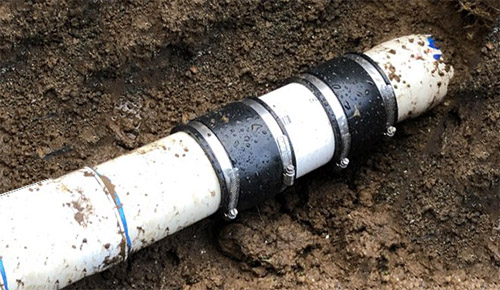
If you want to avoid the mess of cement and primer, there are ways to connect PVC pipe without using glue. However, if you want to transport water, any other liquid, or gas, your options are limited. Cement is typically required to carry fluids, though it means the only way to disassemble your pipes is by sawing them apart.

One alternative to glue is the use of PVC push-on fittings, which are fitted with rubber O-rings. These provide a strong enough connection to transport water safely. If you don’t need to transport a liquid or gas, you can simply push your PVC parts together. Compatible parts will fit snugly and won’t come apart without outside pressure. This is useful if you need a connection that you can easily take apart.
summarize
While gluing PVC pipe together can be simple, plumbing projects are complex. Mistakes in any work that affects the flow of water through your home can be dangerous. If your home’s plumbing needs major repairs, it’s always best to call a plumbing repair service near you. This will ensure that everything goes smoothly.
If you want to know more about PVC pipes and fittings, please contact our team. The team will assist you and help you solve all your problems!

About SAM-UK
SAM-UK are a professional 18+ years manufacturer in producing vinyl building profile products and PVC , CPVC , PPH , PPR , PP pipes and pipe fittings, valves, taps and so on. See our certification records and product-specific scope. We support color /size customization. Welcome to consult for Catalog and Product. you can contact us at email [email protected]