Article Introduction
The type of glue you use to join PVC pipe & fittings is called “solvent weld,” and these two words tell you the reason why it’s 99 percent impossible to separate pvc pipes and pipe fitting once they are glued together.
This type of glue isn’t a surface coating; it’s a PVC solvent that actually melts plastic. When you spread this glue on a pair of pipes and join them, the melted plastic of both pipes hardens into a single piece. This makes trying to unglue a joint a bit like trying to unbake a cookie. When they need to repair a pvc pipe fittings joint, which is common, plumbers usually cut out the joint and install a new one. In about 1 percent of cases, you can pry pvc pipes apart.
By reading the following article, you can learn several ways to remove stuck PVC pipes !
Get It Before It Cures
Solvent weld glues dry fairly quickly. Depending on the pvc pipe & pipe fittings diameter, drying times can vary from a minute to five minutes.
However, curing times are longer (about an hour) so if you try to separate the pvc pipes and pipe fittings before the glue has cured, there’s a small chance you’ll be successful, but you’ll have to pull and twist with a lot of force to detach the two pieces.
If you’re gluing water pipes and you make a mistake, turn on the water and let the water pressure blow the pipes apart. The prospect of being able to pull pvc pipes and pipe fittins apart is a long shot, though, because even a few minutes after gluing, a pvc pipe fittings joint can withstand normal water pressure without leaking or separating.

Cut Out the Joint
Once a pvc pipe fittings joint has become permanent, the pieces cannot be separated provided the pvc pipes are straight, have enough glue and overlap a sufficient amount in the joint.
If you need to separate the pvc pipe fittings joint, the only option is to cut it. You can use a hacksaw or a PVC cutter for this job, and once the pvc pipe fittings is gone, you can install a new one.
To do this, you’ll need to close the gap left by the missing pvc pipe fitting by gluing a short length of pvc pipe (a nipple) to one of the pvc pipe you wish to join.
Because you need to install a coupling to do this (and the coupling needs space), it’s best to make your cut three or four inches away from the joint when removing it. This leaves a wider and more manageable gap.

Tap the Joints Apart
You may be able to tap or chisel apart a joint that hasn’t been properly assembled in the first place. Perhaps the installer used insufficient glue or failed to seat the pipes completely.
Such a pvc pipe fitting joint will leak, which is the probable reason you want to re-glue it. To tap the pipes apart, set the edge of a chisel against the rim of the female part of the pvc pipe fittings joint and tap the chisel sharply with a hammer.
If you detect movement, you’re on the right track, so keep tapping. If there’s no movement, it’s best to stop as continued tapping on the chisel will damage the pipe.
On the other hand, if you’re just interested in extracting the male pipe, and you don’t care what happens to the female one, keep going.

Use Heat
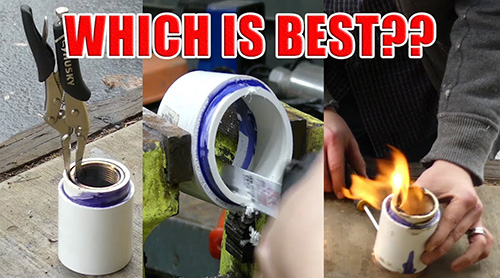
Heat softens plastic, so pointing a hair dryer or heat gun at a pvc pipe fittings joint may soften the plastic enough to allow you to pull them apart. Like tapping joints apart, this is a long shot — a desperate measure for a desperate situation.
Keep the heat on the joint while you pull steadily on the pipes to separate them. However, if you use enough heat to distort the pvc pipe, you won’t be able to reuse it.
Perhaps you want to extract a short piece of pvc pipe from a pvc pipe fitting so you can reuse the pvc pipe fitting.
There are three ways to supply enough heat to do this: You can put the pvc pipe&fittings in boiling water, heat it with a candle flame or spread PVC glue inside the pvc pipe&fittings and light it on fire. Once the plastic softens, you should be able to extract the pvc pipe with pliers.

What is type A and type B PVC pipe?
Type A and Type B PVC pipe generally refer to pressure ratings or dimensions depending on the country or standards being used. Here’s how the terms are most commonly interpreted:
🔹 In Australia/New Zealand (AS/NZS Standards):
Type A and Type B refer to different classes of pressure-rated PVC-U pipe:
| Type | Description | Pressure Rating | Applications |
|---|---|---|---|
| Type A | Solvent-weld jointed pipe (PVC-U) | Up to 600 kPa (87 psi) | Low-pressure water supply, irrigation |
| Type B | Rubber ring jointed pipe (PVC-U) | Up to 1200 kPa (174 psi) | Higher pressure water mains, rural/agricultural water |
✅ Key Difference:
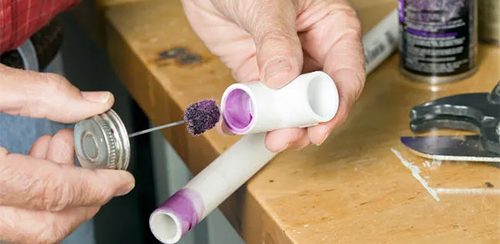
- Type A uses solvent cement to join pipes.
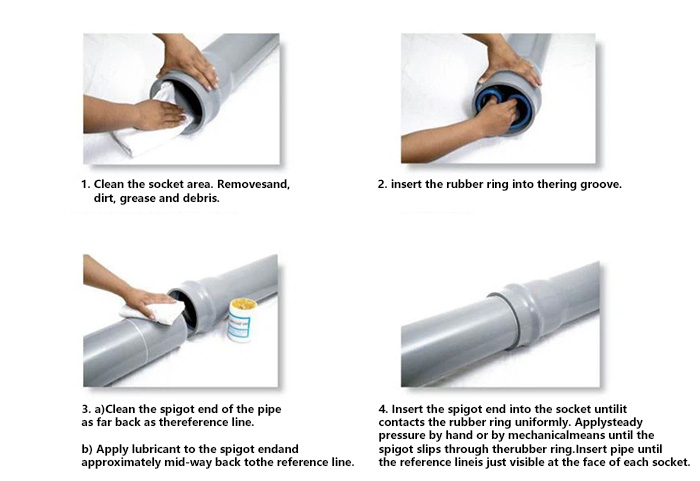
- Type B uses rubber ring (gasket) joints, allowing for flexibility and easier assembly/disassembly.
🔹 In Other Regions (e.g., North America or Europe):
The terms Type A/B are not commonly used. Instead, classification is typically based on:
- Schedule (e.g., Sch 40, Sch 80)
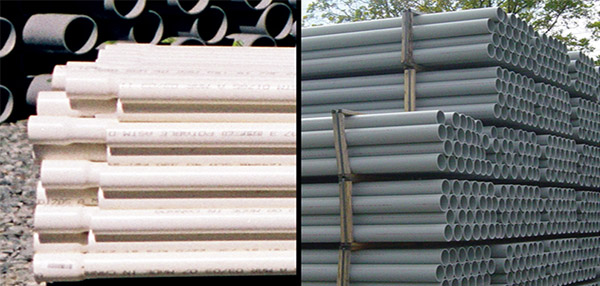
- Pressure Class (e.g., Class 100, 200)

So if you’re outside of Australia/New Zealand, Type A and B may not apply and instead you’ll use the above classifications.
✅ Summary:
- Type A PVC: Solvent-welded joints, lower pressure.
- Type B PVC: Rubber ring joints, higher pressure.
What type of fittings are used with PVC pipe?
PVC (Polyvinyl Chloride) pipes are connected using a variety of fittings, each designed to serve specific functions in plumbing systems. The most common types of fittings used with PVC pipe include:
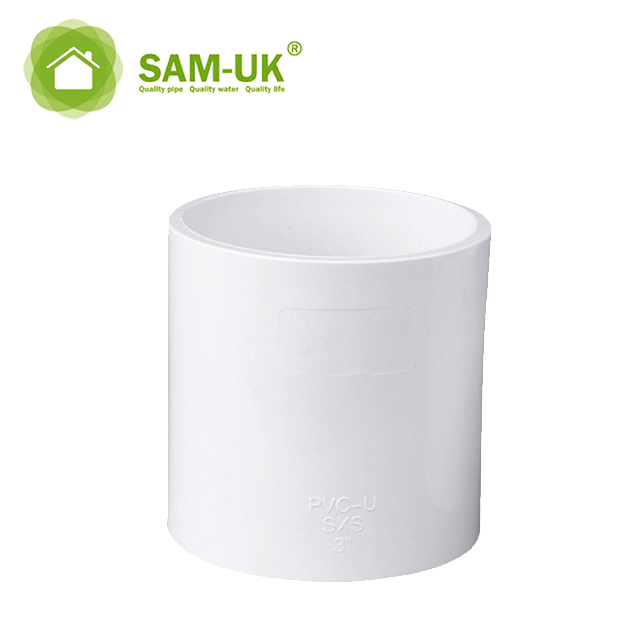
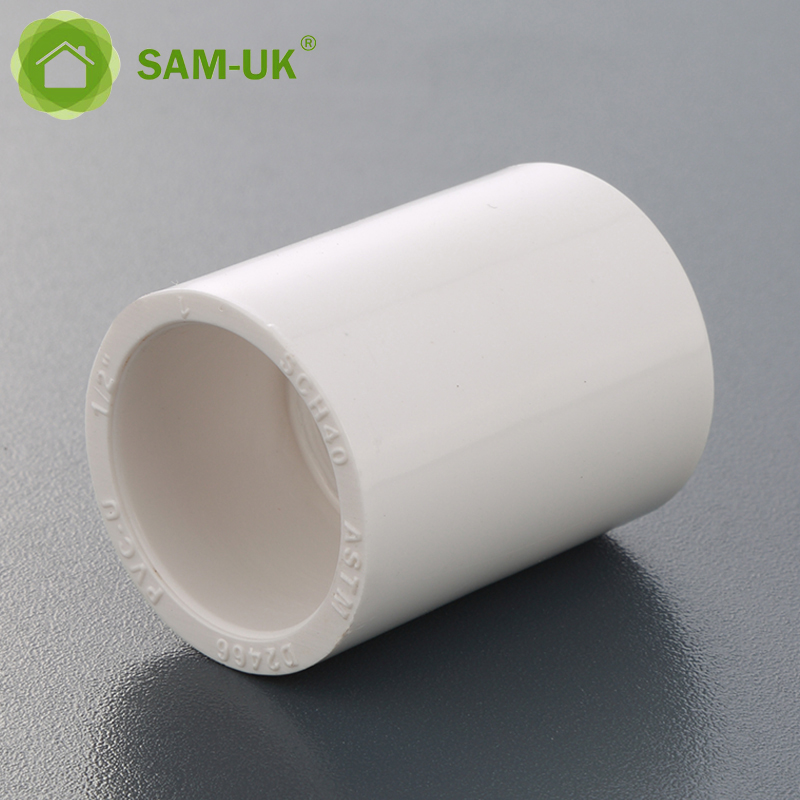
1. Couplings
Function: Join two straight pieces of PVC pipe.
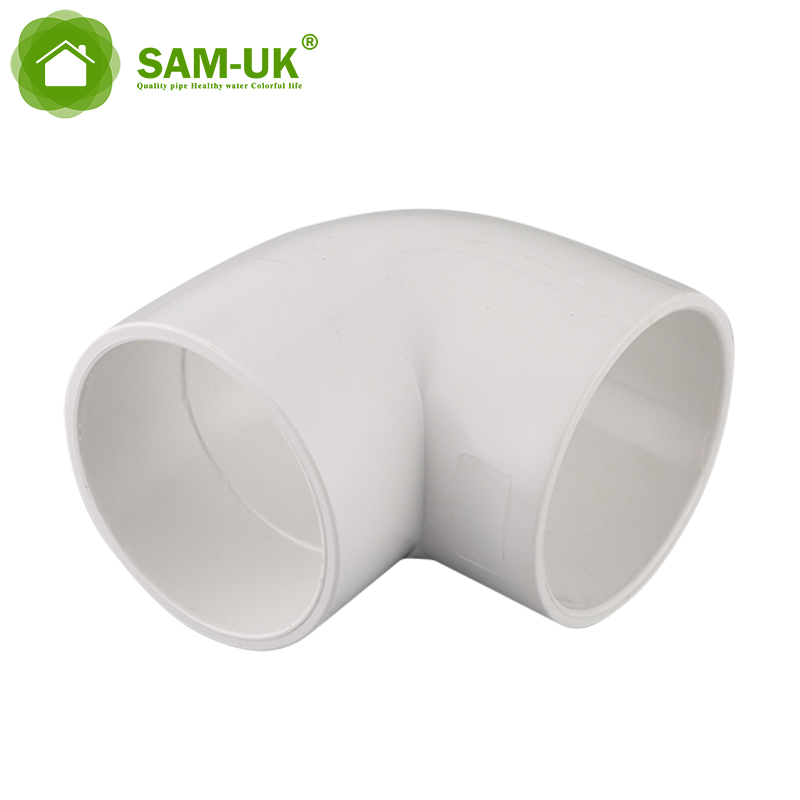
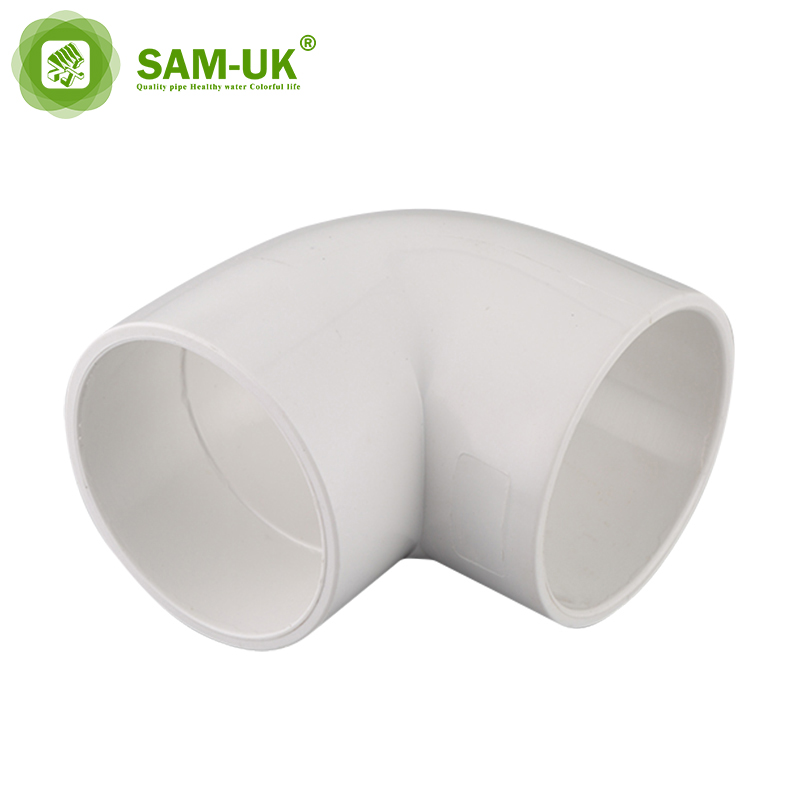
2. Elbows
Function: Change the direction of flow.
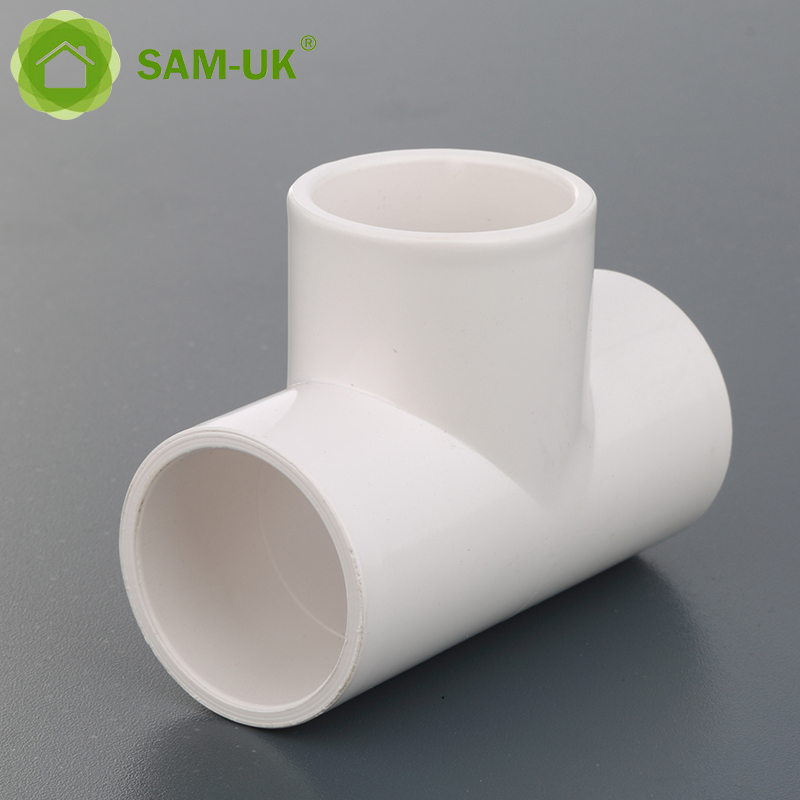
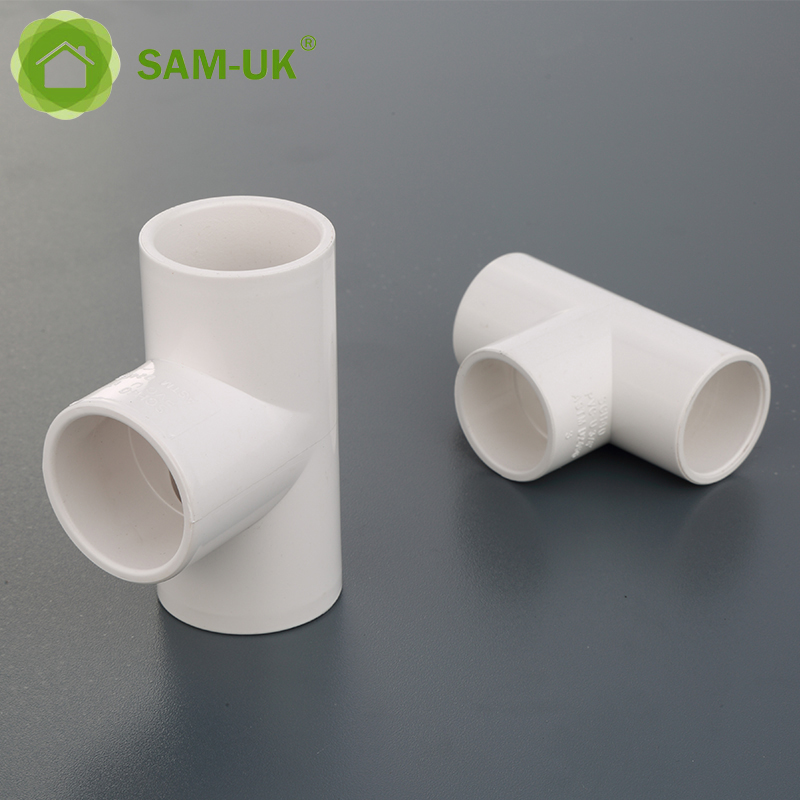
3. Tees
Function: Create a T-shaped junction to split or combine flow.
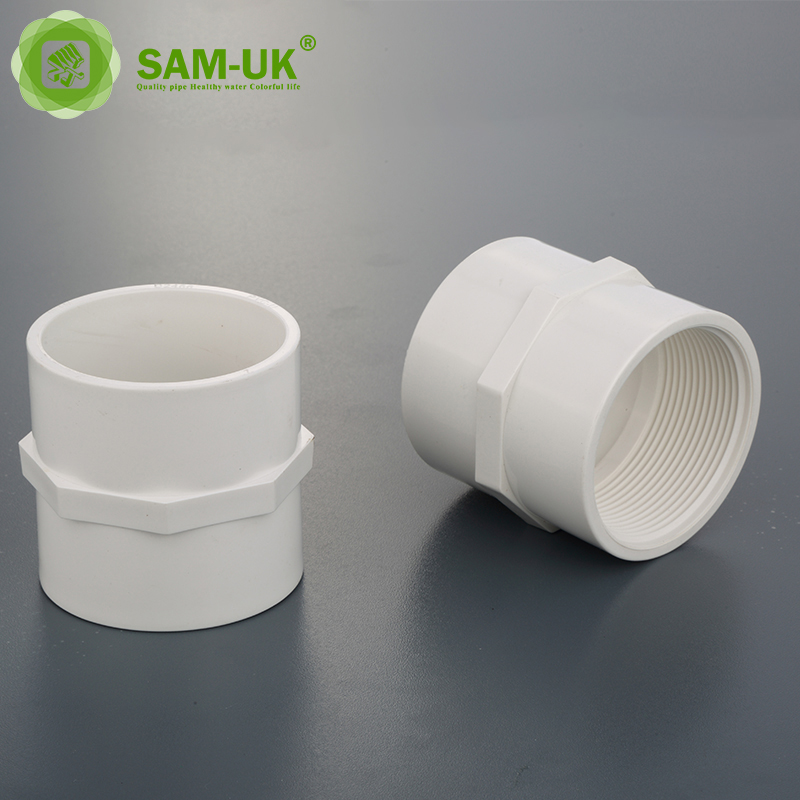
4. Adapters
Function: Connect PVC pipe to other materials or systems.
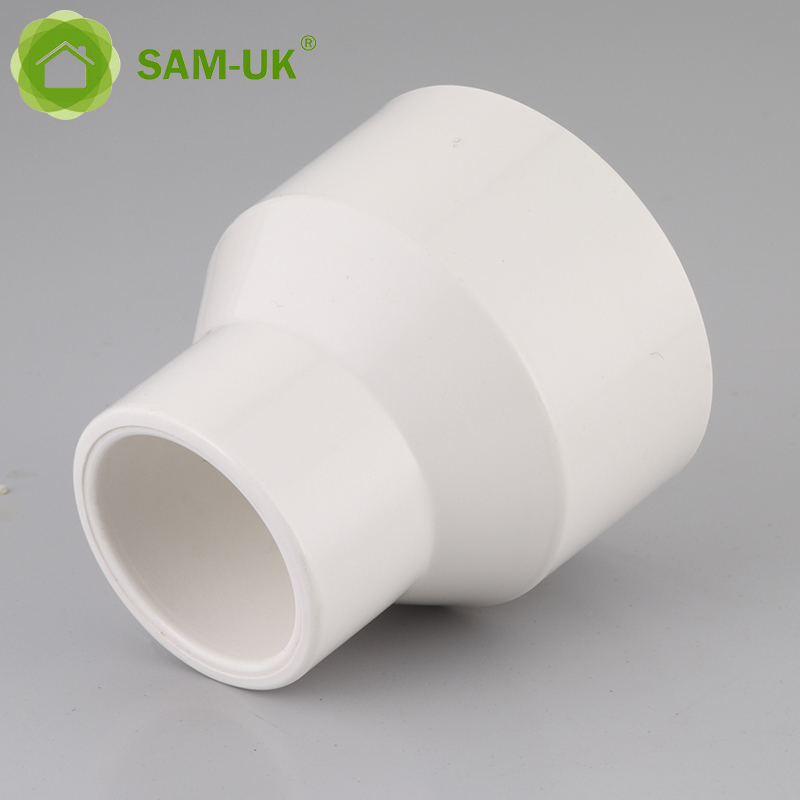
5. Bushings
Function: Reduce pipe size within a fitting.
Inserted into larger fittings to transition to smaller pipes.
6. Caps and Plugs
Caps Function: Seal the end of a pipe (female socket).
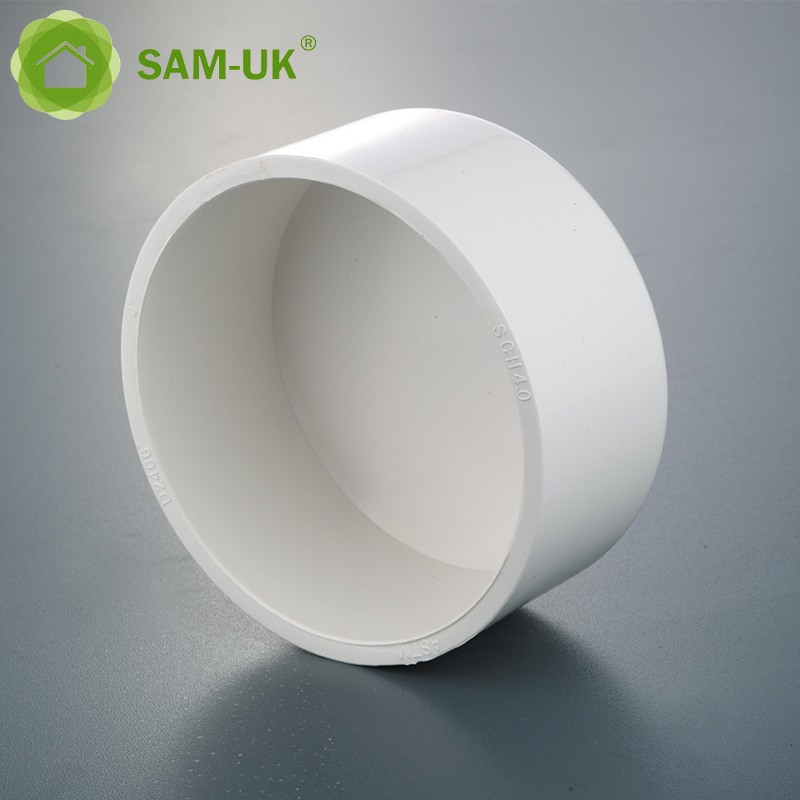
Plugs Function: Seal the end of a fitting (male insert).
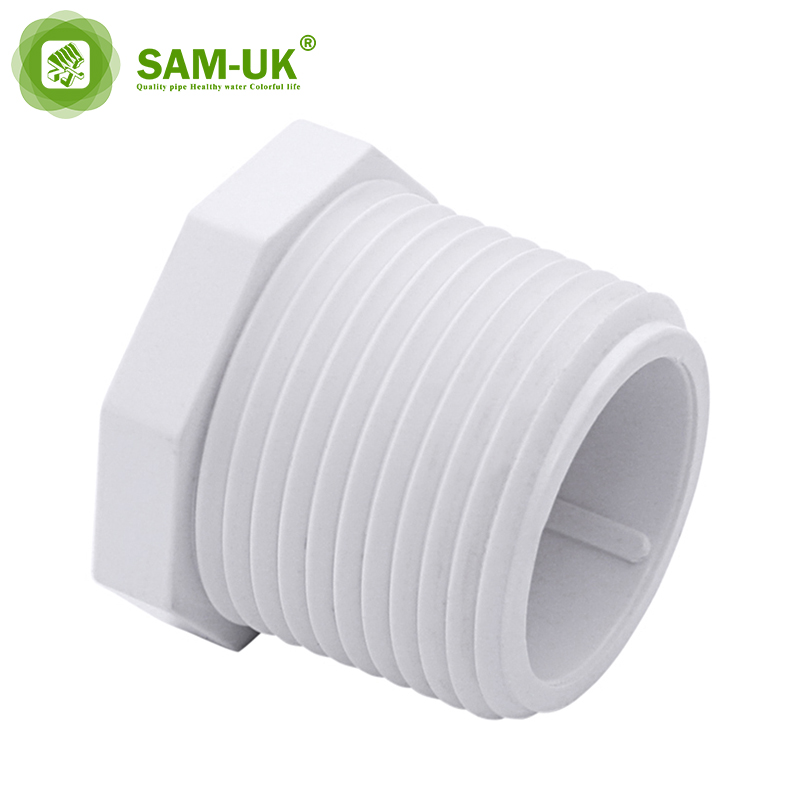
7. Valves
Function: Control or stop the flow of water or chemicals.
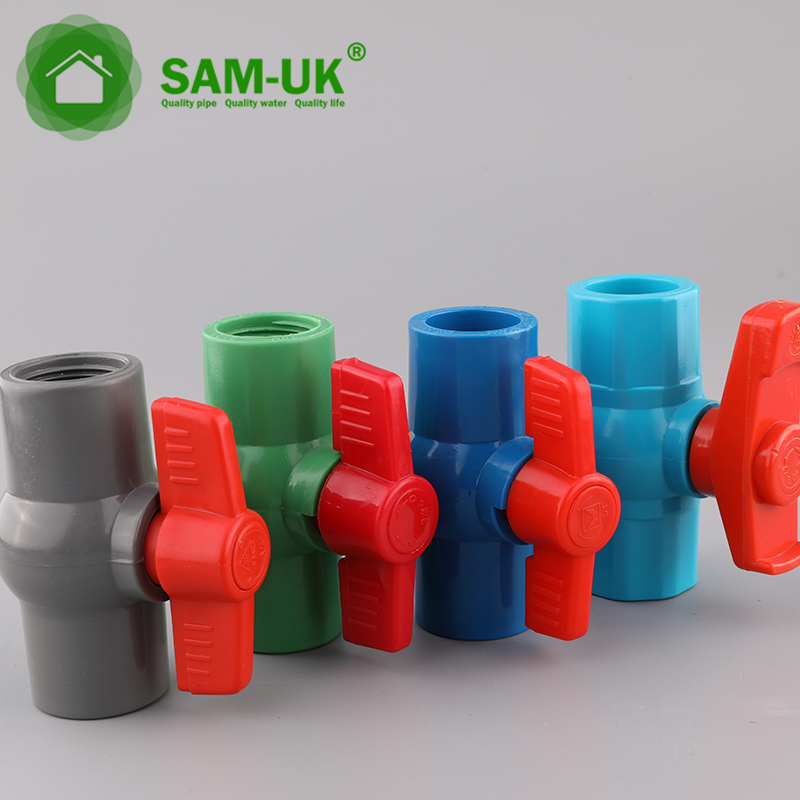
How to seamlessly join PVC pipe?
To seamlessly join PVC pipe, follow these key steps to ensure a leak-free, strong, and professional-looking joint:
✅ Materials Needed:
- PVC pipes and fittings
- PVC primer (purple or clear, depending on local code)
- PVC cement/glue (matched to pipe type: e.g., Schedule 40)
- Pipe cutter or fine-tooth saw
- Deburring tool or sandpaper
- Clean rag

🛠 Step-by-Step Instructions:
1. Cut the Pipe Cleanly
- Use a PVC pipe cutter or fine-toothed saw.
- Ensure the cut is square (90° angle).
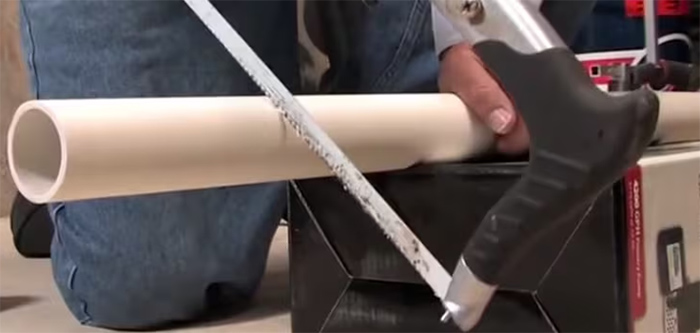
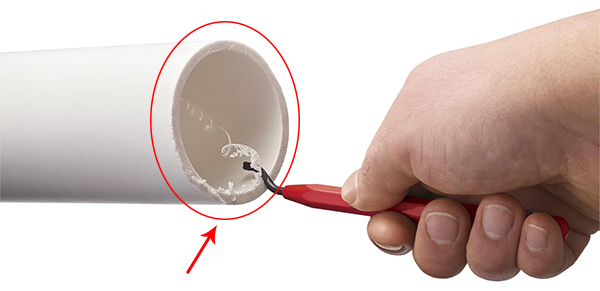
2. Deburr and Chamfer
- Remove burrs (rough edges) from inside and outside of the pipe using a deburring tool or sandpaper.
- Lightly chamfer (bevel) the pipe edge to ease insertion.
3. Dry Fit First
- Assemble the pipe and fitting without glue to check alignment and fit.
- Mark alignment points with a pencil if needed.

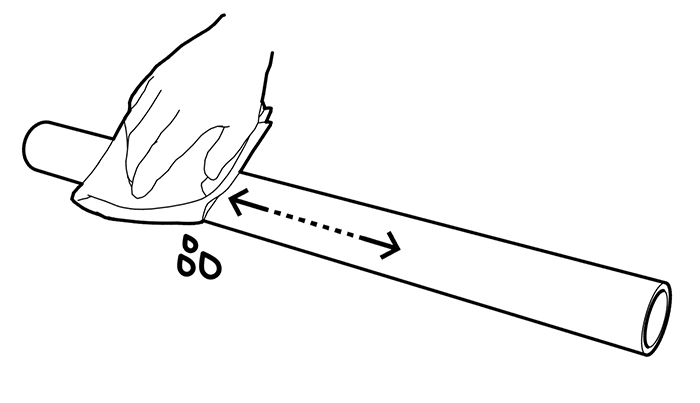
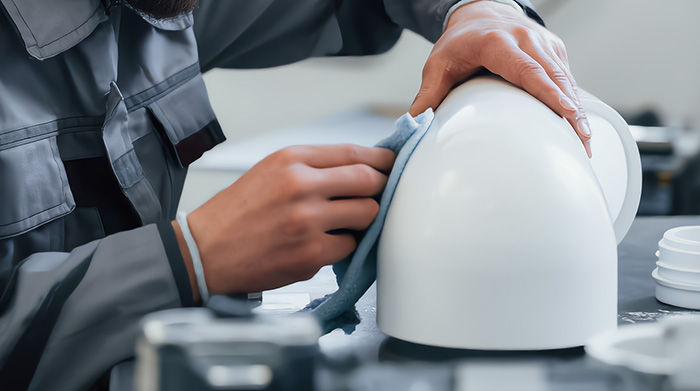
4. Clean the Surfaces
- Wipe dust, grease, or moisture off the pipe and fitting ends with a clean rag.
5. Apply PVC Cement
While the primer is still tacky, apply a liberal coat of cement to:
- The outside of the pipe
- The inside of the fitting socket
- Work quickly — PVC cement sets fast.

6. Join and Twist
- Immediately push the pipe into the fitting fully and quickly.
- Give it a 1/4 turn twist to evenly distribute the cement.
- Hold together for 15–30 seconds to prevent push-out.

7. Wipe Excess Cement
- Quickly wipe off any glue that oozes out with a rag.
8. Let It Cure
No pressure or water should be applied until:
- 15 minutes for handling
- 2–24 hours for full cure (depending on size and temperature)

💡 Pro Tips:
Always use cement and primer from the same manufacturer.
In cold weather, allow extra curing time.
Avoid using too much primer — it can weaken the pipe if overused.
Summarize
Taking apart PVC pipe is a challenging but doable task. By following these steps and taking the necessary safety precautions, you can successfully separate and replace PVC joints in your plumbing projects. Keep in mind that if you are unsure of the process, it is best to consult a professional plumber.
If you want to purchase or learn more about PVC pipes and fittings, you can consult SAM-UK staff to obtain more relevant information !
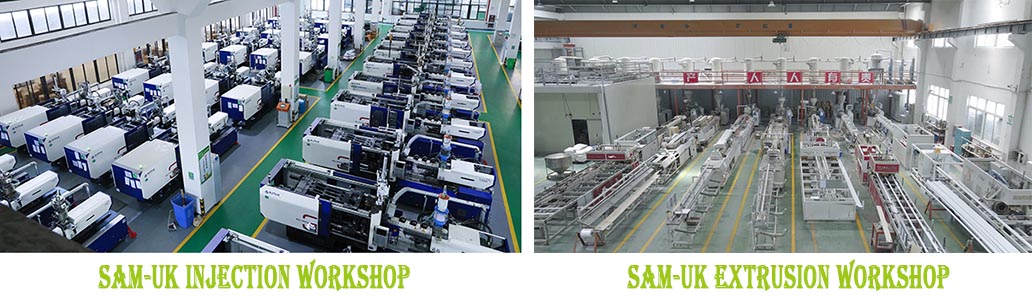
About SAM-UK
SAM-UK are a professional 18+ years manufacturer in producing vinyl building profile products and PVC , CPVC , PPH , PPR , PP pipes and pipe fittings, valves, taps and so on. We own the certificates of SGS\SONCAP\ISO9001\CE\NSF,support color /size customization. Welcome to consult for Catalog and Product. you can contact us at email [email protected]