Introduction to PPH Pipe
If you’ve ever had a metal pipe fail in a 90°C sulfuric acid line, you know why PPH exists. and corrosive media. Thanks to its excellent temperature resistance, chemical stability, and long service life, PPH pipes are widely used in chemical processing, wastewater treatment, semiconductor plants, and industrial water systems.
As industries continue to demand durable and cost-effective piping materials, PPH pipe systems are rapidly gaining popularity worldwide. This article explains everything you need to know about PPH PIPE, including its types, applications, advantages, and current industry trends.
What Is a PPH Pipe?
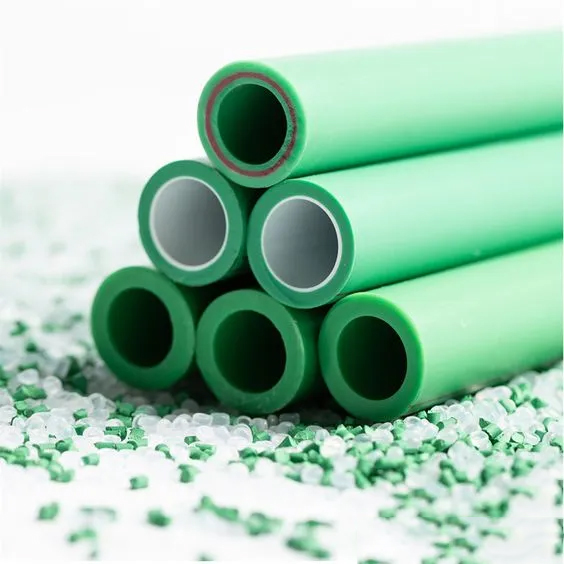
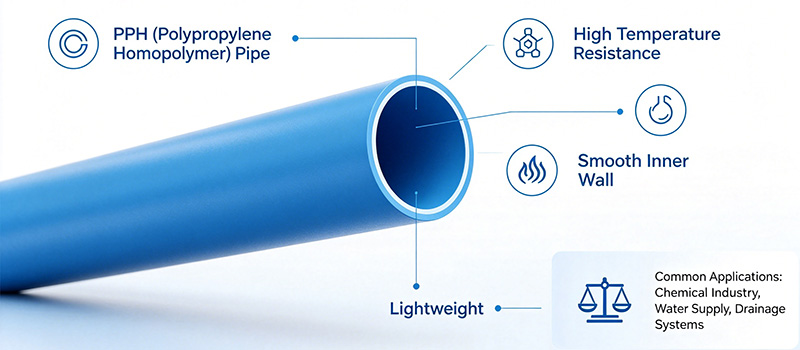
PPH PIPE refers to Polypropylene Homopolymer Pipe, a thermoplastic piping material manufactured from high-molecular-weight polypropylene resin. Compared with standard polypropylene pipes, PPH pipes feature improved crystallinity and enhanced mechanical performance.
PPH pipes are specially engineered for industrial environments where high temperatures, corrosive chemicals, and pressure resistance are critical.
Main Characteristics of PPH PIPE
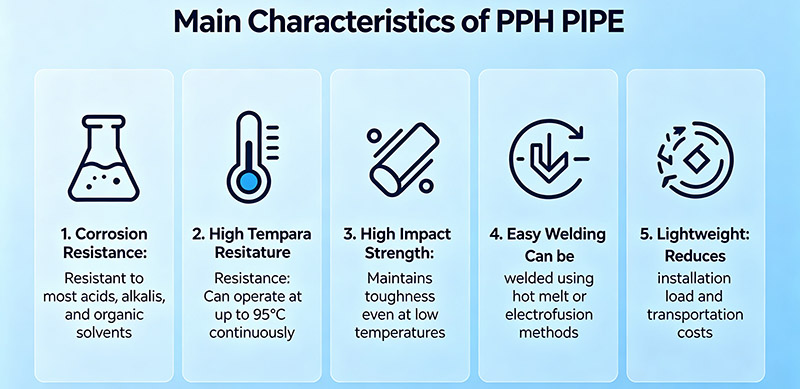
- Excellent chemical resistance
- High temperature resistance
- Smooth inner surface
- Lightweight structure
- Long service life
- Corrosion-free performance
- Easy installation and welding
Because of these advantages, PPH PIPE is widely considered an ideal alternative to metal pipes and traditional plastic piping systems.
Types of PPH Pipes
Different industrial projects require different PPH pipe specifications. Below are the most common types available in the market.
1. Standard PPH Pipe
This is the most commonly used type for industrial fluid transportation. It is suitable for chemical transfer, drainage systems, and wastewater applications.
2. PPH Pressure Pipe
PPH pressure pipes are designed for systems operating under higher internal pressure. They are commonly used in:
- Chemical plants
- Industrial water supply
- Acid and alkali transportation
3. PPH Ventilation Pipe
PPH ventilation pipes are used in industrial exhaust systems to transport corrosive gases and fumes safely.
Key Advantages of PPH PIPE
1. Superior Chemical Resistance
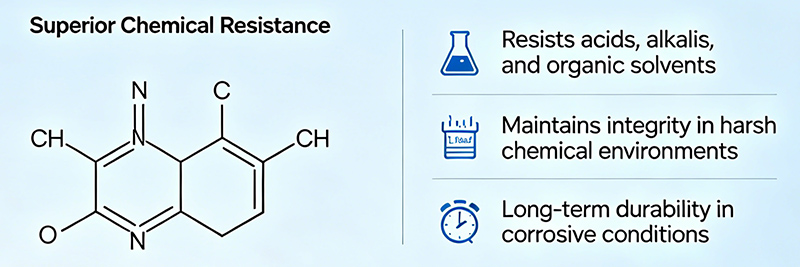
One of the biggest advantages of PPH PIPE is its outstanding resistance to acids, alkalis, and aggressive chemicals. This makes it ideal for chemical processing industries.
2. Excellent High-Temperature Performance
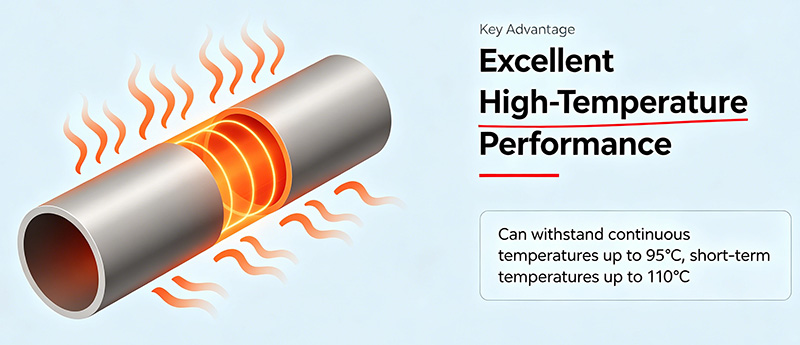
PPH pipes can operate continuously at temperatures up to approximately 95°C, making them suitable for hot liquid transportation systems.
3. Long Service Life
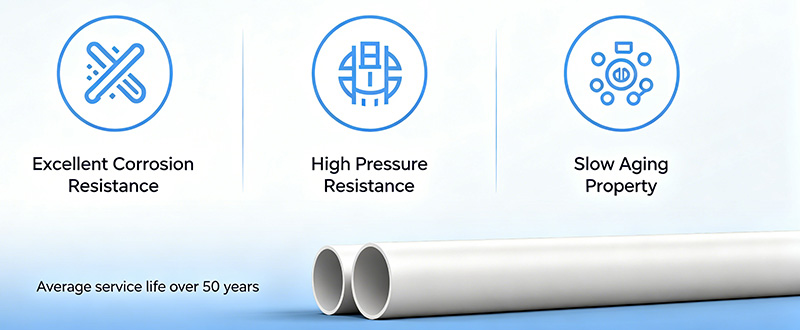
Under normal operating conditions, PPH PIPE systems can last over 50 years with minimal maintenance.
4. Smooth Internal Surface
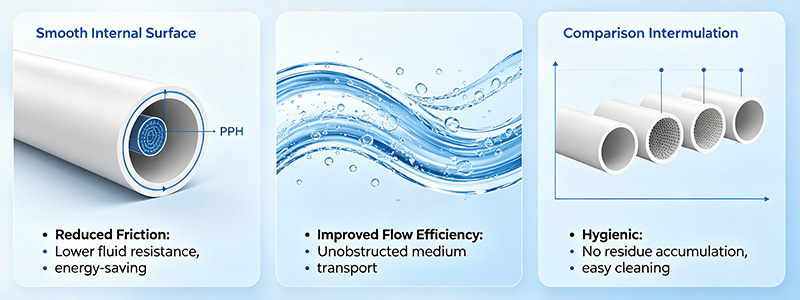
The smooth bore reduces friction loss and prevents scaling buildup, improving flow efficiency.
5. Lightweight and Easy Installation
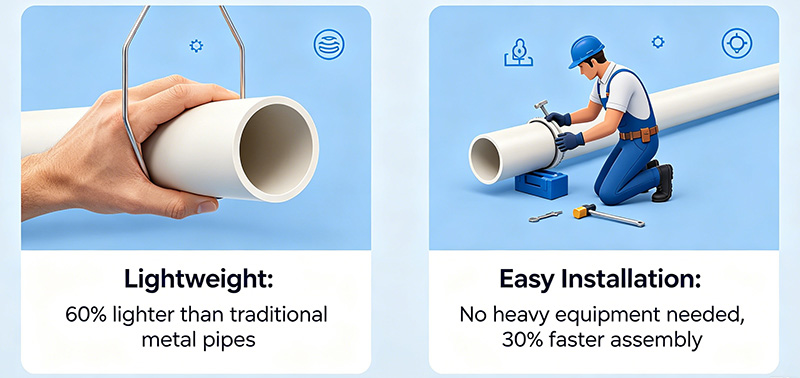
Compared with metal pipes, PPH pipes are significantly lighter, reducing transportation and installation costs.
Common Applications of PPH PIPE
1. Chemical Industry
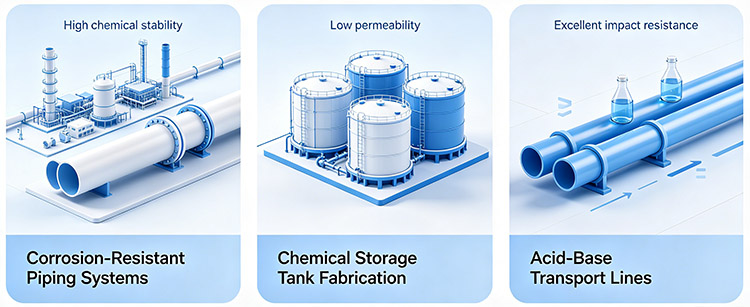
PPH PIPE is extensively used for transporting:
- Sulfuric acid
- Hydrochloric acid
- Sodium hydroxide
- Chemical wastewater
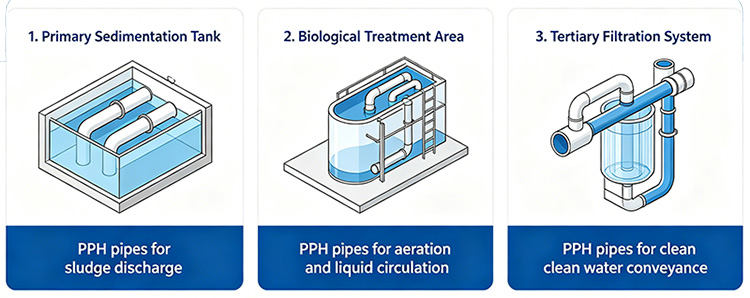
2. Wastewater Treatment Plants
Due to its corrosion resistance, PPH piping systems are widely used in sewage and wastewater treatment facilities.
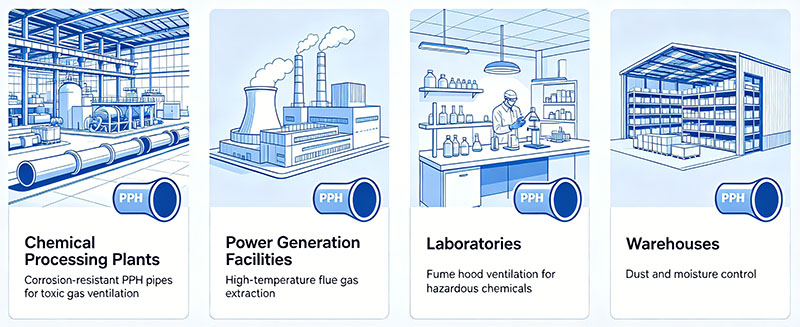
3. Industrial Ventilation Systems
PPH ventilation pipes safely transport corrosive gases and fumes in industrial factories.
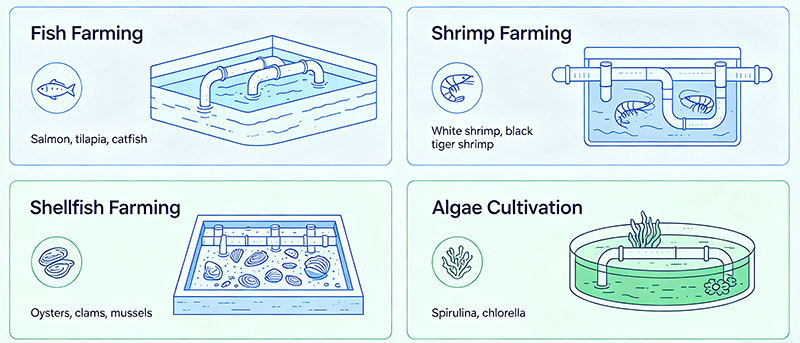
4. Aquaculture Systems
Many fish farms and aquaculture facilities use PPH pipes because they are safe, durable, and corrosion-resistant.
PPH Pipe vs PVC Pipe
Many buyers compare PPH PIPE with PVC pipes before making purchasing decisions.
| Feature | PPH PIPE | PVC Pipe |
|---|---|---|
| Temperature Resistance | High | Moderate |
| Chemical Resistance | Excellent | Good |
| Impact Strength | Better | Moderate |
| Service Life | Longer | Standard |
| Installation Cost | Moderate | Lower |
| Industrial Use | Extensive | Limited |
For high-temperature and corrosive applications, PPH PIPE is generally the preferred choice.
PPH Pipe Standards and Specifications
International standards help ensure product quality and compatibility.
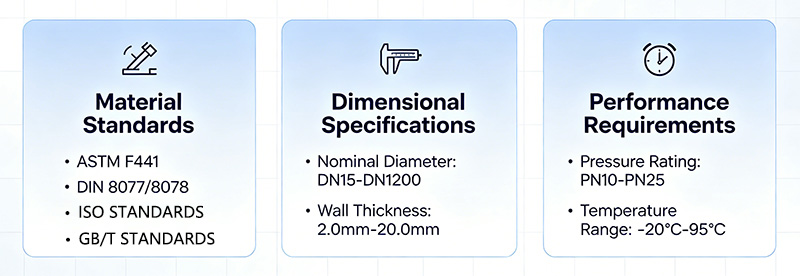
Common PPH Pipe Standards
- DIN Standards
- ISO Standards
- ASTM Standards
- GB/T Standards
Typical Specifications
- Diameter range: 20mm–1200mm
- Pressure ratings: PN6–PN16
- Temperature range: Up to 95°C
When selecting PPH PIPE, buyers should verify compliance with international quality standards.
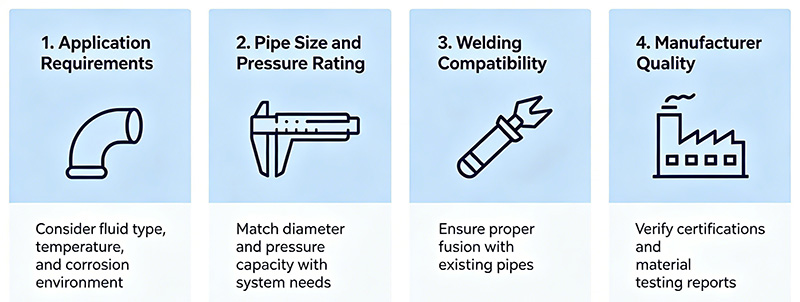
How to Choose the Right PPH PIPE
When purchasing PPH PIPE, consider the following factors:
1. Application Requirements
Determine the type of fluid, operating temperature, and pressure level.
2. Pipe Size and Pressure Rating
Select the appropriate diameter and PN rating based on system design.
3. Welding Compatibility
Ensure the pipe system matches available fusion welding equipment.
4. Manufacturer Quality
Choose reliable suppliers with international certifications and proven industrial experience.
Maintenance Tips for PPH PIPE Systems
Although PPH PIPE requires minimal maintenance, proper inspection can further extend system life.
Recommended Maintenance Practices
- Inspect welding joints regularly
- Avoid excessive mechanical impact
- Monitor operating temperature and pressure
- Clean pipelines periodically when necessary
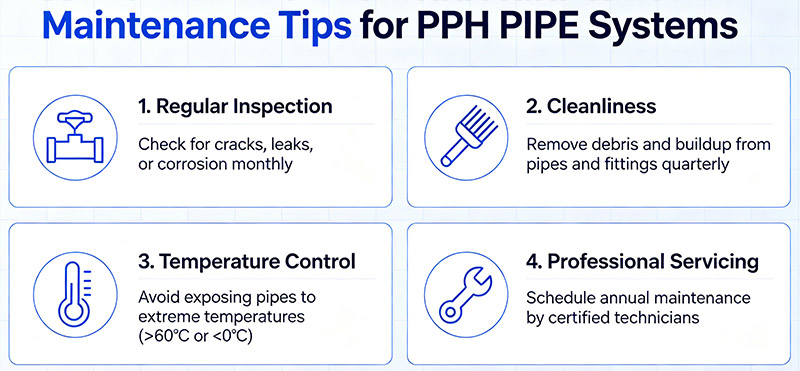
Preventive maintenance helps maximize piping performance and operational safety.
Conclusion
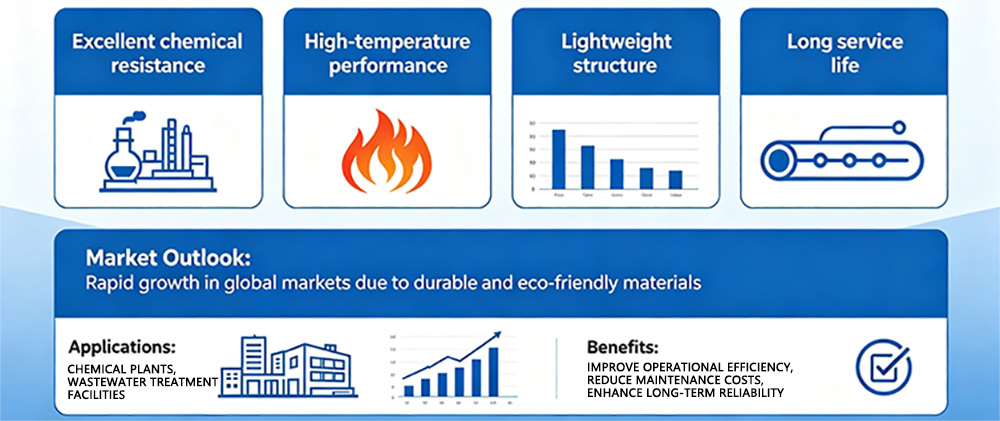
PPH PIPE is an advanced industrial piping solution known for its excellent chemical resistance, high-temperature performance, lightweight structure, and long service life. From chemical plants to wastewater treatment facilities, PPH pipes provide reliable and cost-effective performance across a wide range of applications.
In Southeast Asia alone, PPH pipe imports grew ~12% YoY in 2025, driven by chemical plant expansions.
About SAM-UK
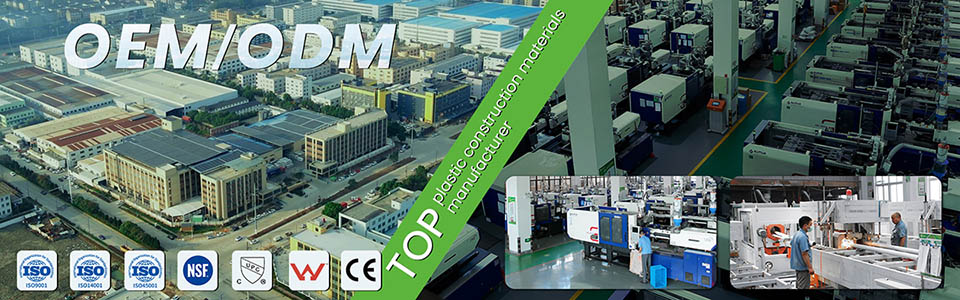
SAM-UK are a professional 19+ years manufacturer in producing vinyl building profile products and PVC , CPVC , PPH , PPR , PP pipes and pipe fittings, valves, taps and so on. See our certification records and product-specific scope. We support color /size customization. Welcome to consult for Catalog and Product. you can contact us at email [email protected]